The math on a brand-name GLP-1 is brutal, and every woman shopping for one knows it. Ozempic without insurance runs about $1,000 a month. Wegovy, similar. Mounjaro and Zepbound are in the same neighborhood. And then you see a telehealth ad for compounded semaglutide at $199–$299 a month, and the internal negotiation begins.
Here’s what you actually need to know before you decide - because the regulatory landscape has shifted dramatically in the past year, the quality risks are real and specific, and the cost gap is narrower than it used to be.
Where things actually stand in 2026
In February 2025, the FDA declared the semaglutide and tirzepatide shortages officially resolved. This matters because large-scale compounding of these drugs was only permitted under federal law because of the shortage. With the shortage resolved, the legal basis for mass-market compounded GLP-1s largely disappeared.
Since then, the FDA has ramped up warnings and enforcement. In February 2026, the agency issued a report flagging counterfeit Ozempic in circulation, unapproved ingredients appearing in compounded products (including retatrutide and cagrilintide), and products labeled “not for human consumption” being sold as injectables anyway. As of July 2024 (and this number has only grown), the FDA had received over 1,000 adverse event reports connected to compounded semaglutide and tirzepatide, ranging from significant GI symptoms to fainting, acute pancreatitis, and gallstones. Most of those incidents traced back to dose variability: compounded products can have inconsistent concentrations, leading to accidental overdoses.
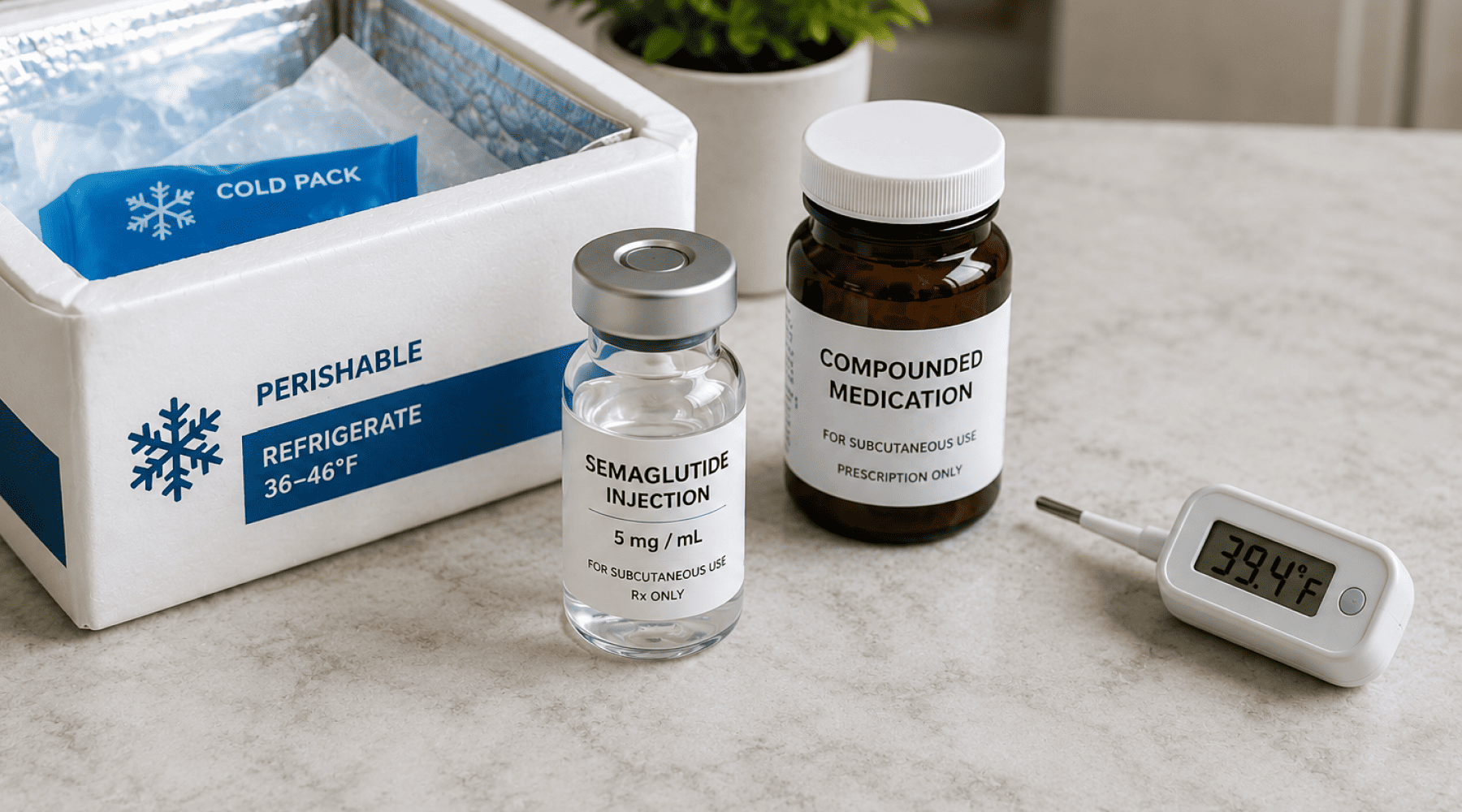
Compounded GLP-1s are still legally available in narrow circumstances - primarily when a patient has a documented medical need that can’t be met by the FDA-approved version, such as a confirmed allergy to an inactive ingredient. Cost alone is not a legally valid reason. Many telehealth companies are operating in legally murky territory or pivoting away from compounded versions entirely.
The three things that actually make compounded riskier (beyond the regulatory debate)
1. It might not be the same molecule.
Brand-name Ozempic and Wegovy use the base form of semaglutide. Some compounded products use salt forms (specifically semaglutide sodium or semaglutide acetate) which are chemically different and have never been tested for safety or efficacy in humans. The FDA has explicitly stated these salt forms should not be used for compounding. If you’re on a compounded version, you should know the exact form of the active ingredient.
2. Dose variability is a documented problem.
Compounding pharmacies mix these medications in smaller batches using their own concentration standards. That creates room for error. A vial that’s supposed to contain 2.5 mg/mL might actually contain 2.0 or 3.5. On a drug where the therapeutic window matters, this matters. This is why the FDA’s adverse event reports so often involve dosing errors rather than drug reactions per se.
3. The “extras” are often untested.
Many compounded semaglutide products include additives (most commonly vitamin B12, sometimes amino acids, sometimes other vitamins) that have not been tested in combination with semaglutide. The marketing usually frames these as “enhancements.” The pharmacology, honestly, is more that those additions have unknown interactions and haven’t been studied. If you want B12, you can take B12 separately.
If you’re going to use compounded anyway, here’s the safety playbook
Many women are, understandably, going to choose compounded for affordability reasons regardless. If that’s you, insist on the following:
Only 503B registered facilities. There are two kinds of compounding pharmacies: 503A (small, state-regulated) and 503B (larger, FDA-registered outsourcing facilities with higher quality controls). 503B is the minimum bar. Check the FDA’s public registry of 503B outsourcing facilities before buying.
A Certificate of Analysis (COA) for your specific batch. Reputable compounding pharmacies will provide a COA showing potency and sterility testing for the batch your medication came from. If they can’t or won’t provide one, walk away.
Base semaglutide only. Confirm the active ingredient is semaglutide base - not semaglutide acetate or semaglutide sodium. Ask directly. Get it in writing.
No unnecessary additives. A reputable compounder should be able to provide semaglutide without added B12 or other ingredients. “Enhanced” formulations are a marketing story, not a clinical one.
Cold chain shipping. Semaglutide requires refrigeration (36–46°F) throughout shipping. If your vial arrives warm, don’t use it - call the pharmacy.
A real prescription from a licensed clinician. If a website will sell you GLP-1s without a prescription and a genuine clinician consultation, it’s not a pharmacy; it’s a liability.

The cheaper brand-name options women miss
The “brand-name is always $1,000” narrative is increasingly out of date. A few options worth knowing:
Novocare Pharmacy (Novo Nordisk’s direct-to-consumer platform). Cash-pay Wegovy pricing has come down significantly for patients paying out-of-pocket. Check current rates before assuming you can’t afford it.
LillyDirect. Eli Lilly’s direct-to-consumer platform for Zepbound, with cash-pay vial pricing that has become increasingly competitive with compounded versions.
GoodRx. Introductory pricing for first fills (often $199–$299 for Ozempic or Wegovy, $149 for the Wegovy pill), with ongoing coupons for subsequent fills.
The Wegovy oral pill (Foundayo and related oral options). FDA approved in 2026, often priced lower than the injection and available through Lilly and Novo’s direct platforms.
The effective cost difference between a brand-name GLP-1 and a legitimately compounded one from a 503B pharmacy with all the safety checks above is now often less than $100 a month. Factor in the dose variability, regulatory uncertainty, and the fact that your insurance won’t ever cover the compounded version - and the math looks different than the telehealth ads suggest.
The bottom line
Compounded GLP-1s were a genuine solution during the shortage. Post-shortage, they are a legally constrained, quality-variable product being sold aggressively in a market where the real cost gap with brand-name medications has narrowed significantly.
Before you choose compounded because the ad is cheaper, run the actual numbers through the current manufacturer portals. Check your insurance coverage. And if you still land on compounded for legitimate reasons, insist on the safety checks above - no exceptions.
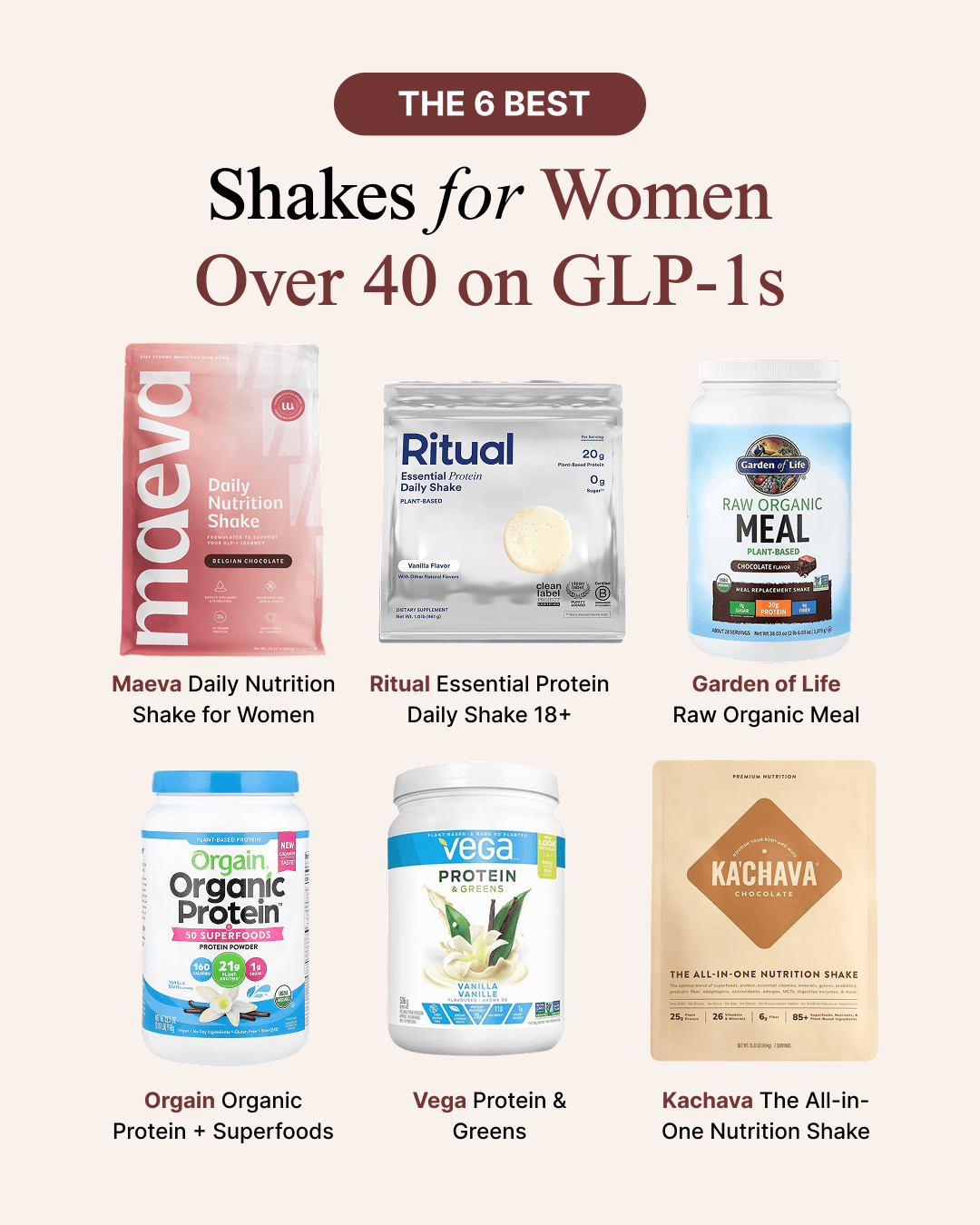
Whichever version you’re on, the fundamentals matter far more than the pen’s logo: adequate protein, strength training, sleep, and time. A high-quality nutritional shake formulated for GLP-1 users and a twice-a-week lifting habit will shape your outcome more than the manufacturer ever will.
This article is for informational and educational purposes only and is not medical advice. Please consult a licensed healthcare provider before starting, stopping, or switching any medication, and only obtain prescription medications through licensed pharmacies.