The first time I really clocked it, I was carrying groceries up my own stairs.
Two bags. One flight. Nothing I hadn’t done a thousand times before. And halfway up, I had to stop. My thighs were trembling. My arms felt like wet paper. I remember standing on the landing thinking, I’m lighter than I’ve been in ten years. Why am I weaker than I’ve been in twenty?
The scale told one story: down 40 pounds in about nine months on a GLP-1. The mirror told a better one - clothes fit, face was slimmer, I could cross my legs. But the story I didn’t have language for yet was the one in my grip strength, my stair climb, my inability to carry my toddler as long as I used to. I’d been reading about muscle loss on these medications in passing, the way you read about things that happen to other people. Turns out it was happening to me.
If you’re currently on a GLP-1, considering one, or a few months in and sensing something is off even though the number on the scale looks great - this is the post I wish somebody had handed me on day one.
The number nobody puts on the pamphlet
In the STEP 1 trial (the big registration study for semaglutide at 2.4 mg weekly), participants lost an average of 14.9% of their body weight over 68 weeks. But DEXA body composition scans on a subset of participants revealed something most patients never hear about: roughly 39% of that weight loss was lean mass - meaning muscle, bone, water, and organ tissue.
SURMOUNT-1, the equivalent trial for tirzepatide (Mounjaro/Zepbound), showed a similar pattern, with lean mass accounting for roughly 25 to 40% of total weight loss depending on the dose and assessment method.
Translate that out of trial-speak: if you’re a woman who weighs 200 pounds and loses 40, somewhere between 10 and 16 of those pounds may not be fat. In my case, follow-up scans suggested I’d lost about 15 pounds of lean mass on top of 25 pounds of fat. On paper, a win. In practice, it meant I’d traded fat I didn’t want for muscle I desperately needed.
Why this matters more than people think
Muscle isn’t cosmetic. It’s metabolic real estate. A 2025 study out of Massachusetts General Hospital found that on semaglutide specifically, people who lost more muscle saw less improvement in their blood sugar control - meaning muscle loss may actively undermine one of the main benefits of the medication.

There’s more. Muscle is the largest sink for glucose in the body. It protects your bones. It protects your independence as you age. And - critically, for anyone who’s thinking about what happens if you stop the medication - muscle is what keeps your metabolism running. If you emerge from a year on a GLP-1 with significantly less muscle than you started, your maintenance calorie needs are lower, and the weight comes back faster. Lost muscle is the rebound’s best friend.
The researchers also identified who’s at highest risk: being older, being female, and eating less protein were all independently linked to greater muscle loss on semaglutide. Women, in particular, seem to take the biggest hit - likely because we tend to start with less lean mass, eat less aggressively on these medications, and don’t have the androgenic protection men do against muscle wasting.
What I’d do differently if I could rewind
1. Start the protein before the first injection.
I wish I’d treated protein like the prerequisite it is, not a course correction. The evidence-based target while you’re losing weight on a GLP-1 is 1.2 to 1.6 grams per kilogram of body weight per day - for most women, that’s 90 to 120 grams, every single day. I was hitting maybe 45 in the early months, on a good day. I wasn’t trying to starve my muscles. I just wasn’t hungry, and without hunger, I forgot to eat.
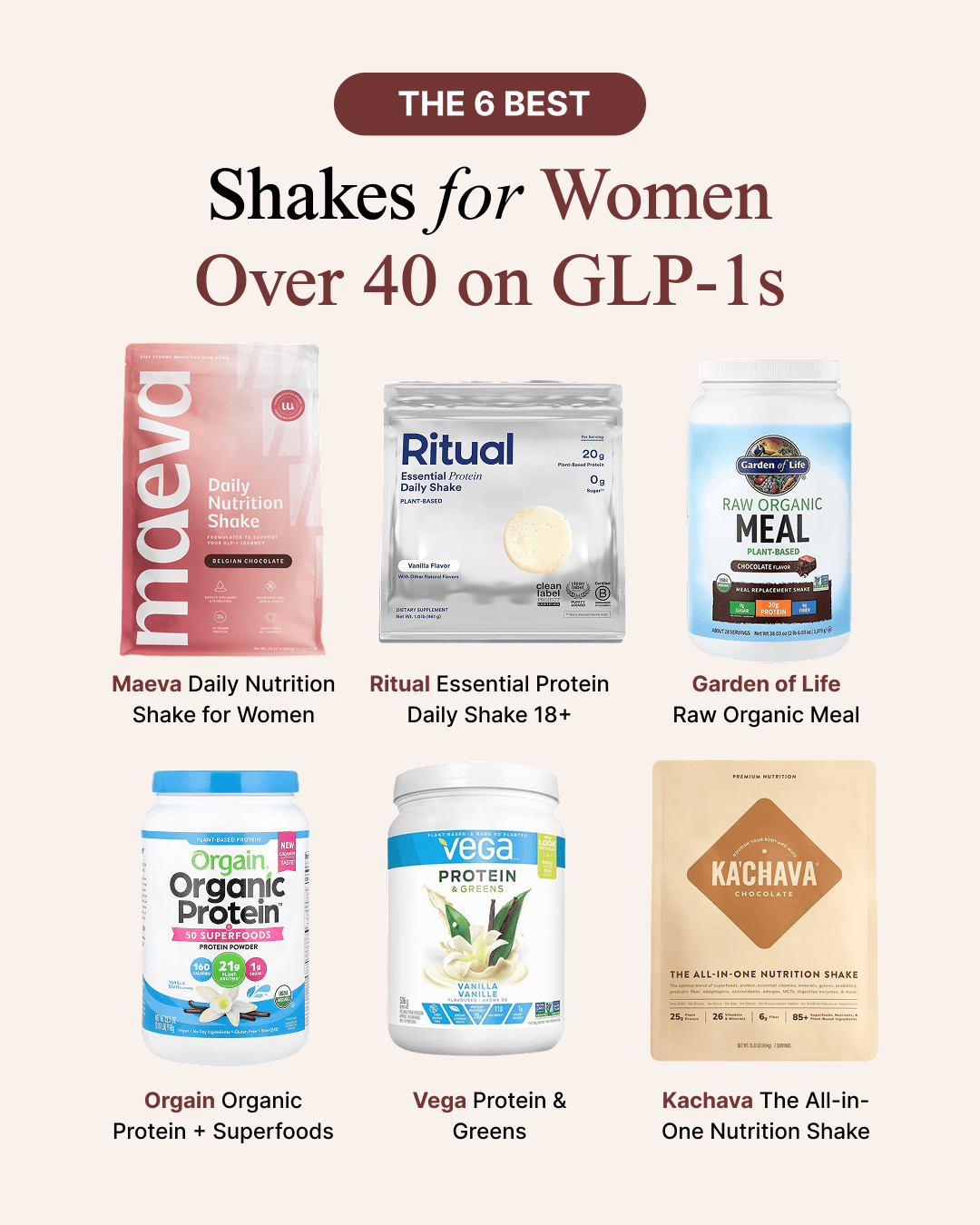
A nutrition shake specifically formulated for GLP-1 users (high protein, low volume, complete amino acid profile) is honestly one of the best tools you can have on this journey. When your stomach feels full after five bites of chicken, a shake you can sip slowly is sometimes the only way to hit your numbers.
2. Lift heavy from week one, not week twenty.
Resistance training three to five times a week is the single most protective thing you can do for your muscle on a GLP-1. Not walking, not Pilates, not yoga - although all of those are great. I mean loaded, progressive, challenging-for-you strength training. Squats, rows, presses, deadlifts (or machine equivalents). Three sets of something hard. Twice a week is a minimum; three times is better.
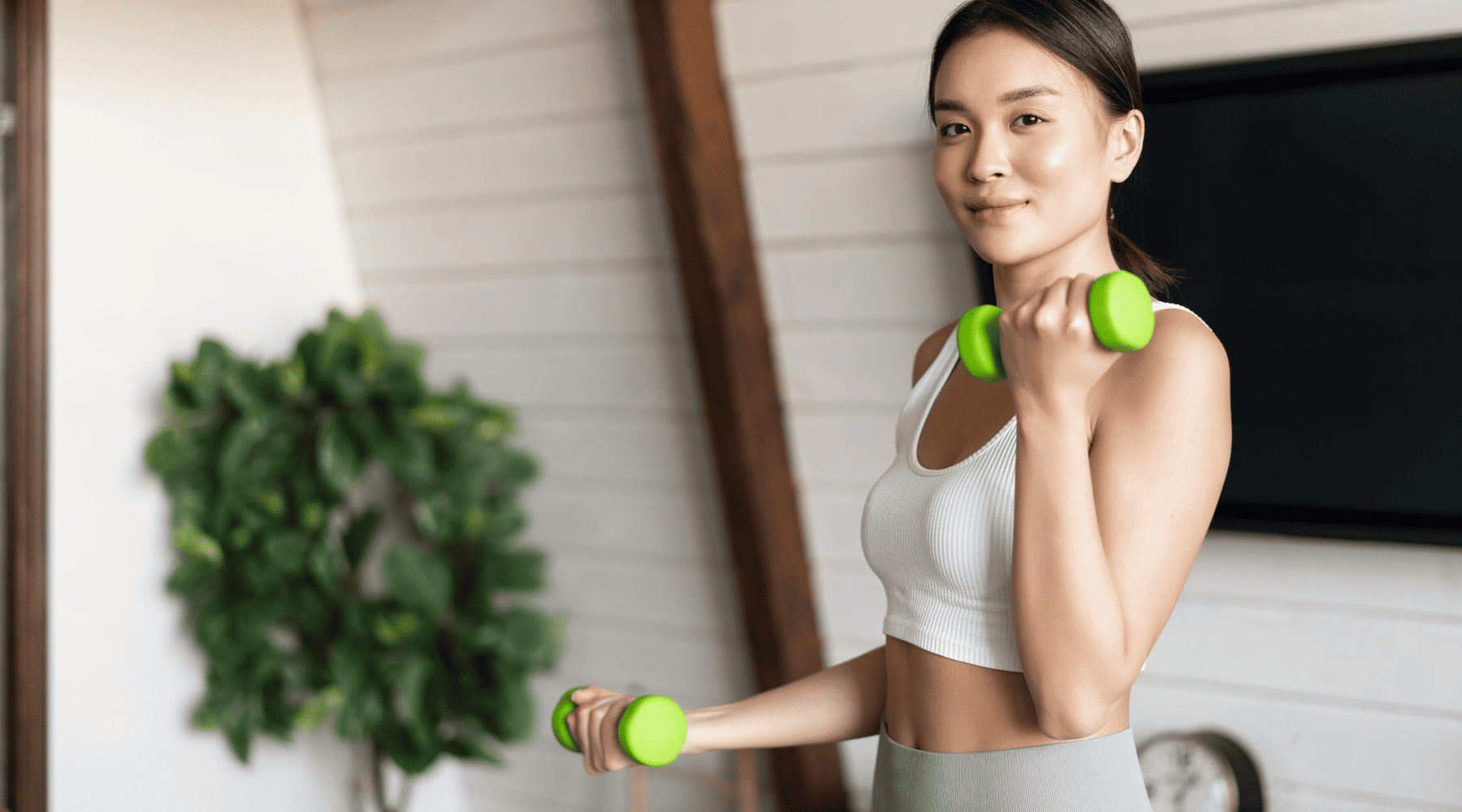
I waited until month six to get serious about lifting, thinking I’d wait until I had “energy.” That was the wrong order. The energy comes with the muscle. You build the ship on the way to the island.
3. Titrate slower than your doctor offers.
Every time you go up a dose, appetite drops again. Fast weight loss means bigger lean mass hits. If you don’t need to chase the maximum dose to meet your goals, stay on a lower one longer. Ask your prescriber about extending the time at each step. “The slowest dose that still works” is a legitimate strategy.
4. Eat when you’re not hungry.
This is the one I most underestimated. The whole point of a GLP-1 is that it erases hunger cues. But your body still needs protein, calories, and micronutrients whether it’s asking for them or not. I started setting reminders (yes, like a robot) to eat breakfast and drink my shake. Treat your meals like medication. You wouldn’t skip a dose because you didn’t feel like taking one.
The truth I wish I’d heard
A GLP-1 is not a plan. It’s a tool. It will help you eat less (dramatically less) but it will not tell you what to eat, how to move, or how to protect the parts of yourself you want to keep. That job is still yours. The women I know who’ve come out of a year on one of these medications healthier, stronger, and with their muscle largely intact are the ones who built the scaffolding before the weight started falling.
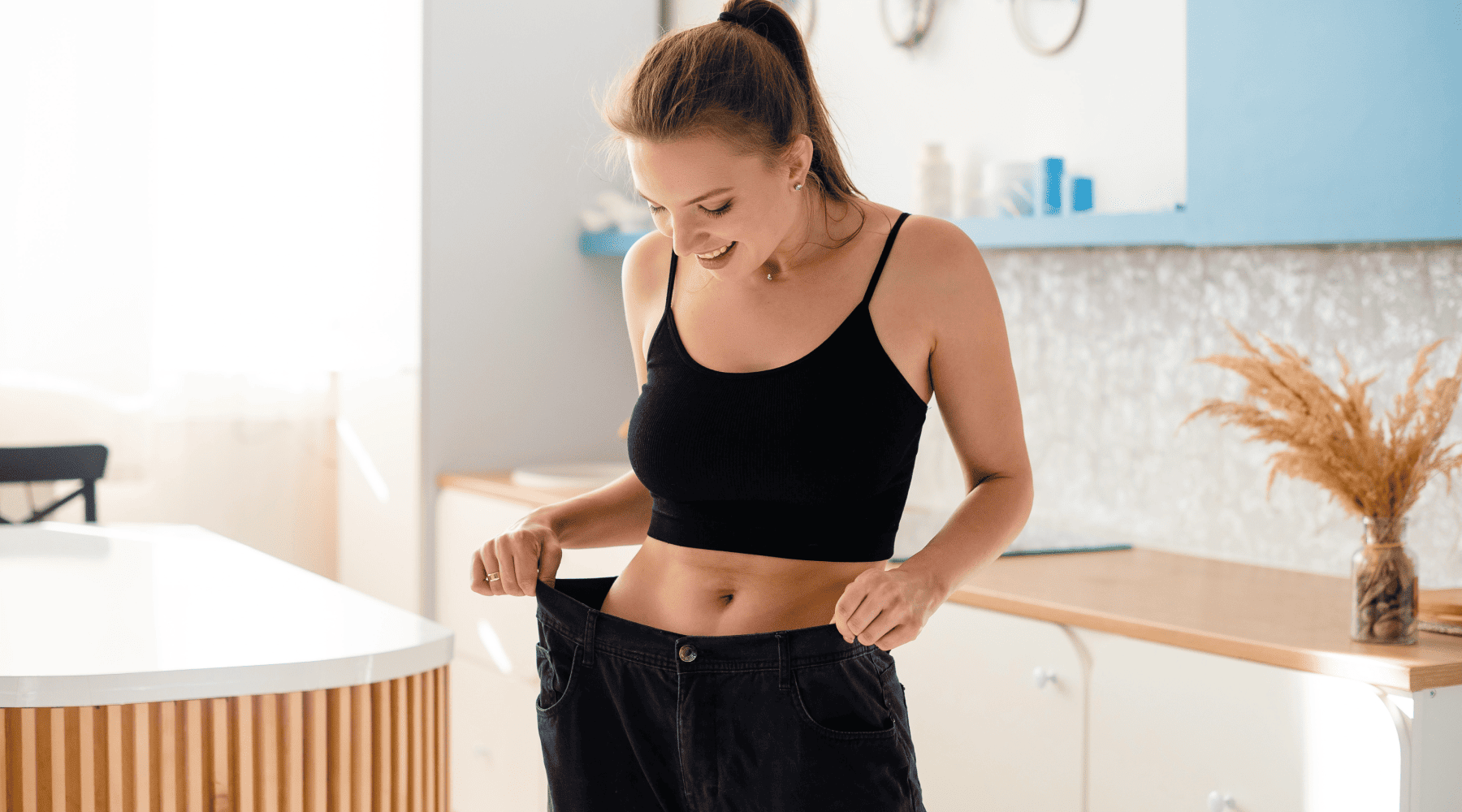
I didn’t. I lost 40 pounds and 15 pounds of muscle. I spent the next year rebuilding what I could. Most of it came back, but not all of it, and not easily.
If you’re earlier in this journey than I was: please don’t skip the protein. Please don’t skip the gym. Please don’t let the scale be the only metric you measure. You deserve to lose the weight and keep the strength.
This article shares a narrative perspective for informational purposes only and is not medical advice. Please consult your healthcare provider before starting, stopping, or changing any medication, diet, or exercise program.
Sources
Neeland I. et al., “Changes in lean body mass with glucagon-like peptide-1-based therapies and mitigation strategies,” Diabetes, Obesity and Metabolism, 2024 (STEP 1 data). https://dom-pubs.onlinelibrary.wiley.com/doi/10.1111/dom.15728
“Muscle Mass and Glucagon-Like Peptide-1 Receptor Agonists: Adaptive or Maladaptive Response to Weight Loss?” Circulation (AHA Journals). https://www.ahajournals.org/doi/10.1161/CIRCULATIONAHA.124.067676
American Diabetes Association, “New GLP-1 Therapies Enhance Quality of Weight Loss by Improving Muscle Preservation” (15–40% lean mass of total weight lost). https://diabetes.org/newsroom/press-releases/new-glp-1-therapies-enhance-quality-weight-loss-improving-muscle-0
Endocrine Society, “Consuming more protein may protect patients taking anti-obesity drug from muscle loss” (Haines et al., Mass General), 2025. https://www.endocrine.org/news-and-advocacy/news-room/endo-annual-meeting/endo-2025-press-releases/haines-press-release
Endocrine Society / Haines et al., 2025 — older age, female sex, and lower protein intake linked to greater muscle loss. https://www.endocrine.org/news-and-advocacy/news-room/endo-annual-meeting/endo-2025-press-releases/haines-press-release
Preservation of lean soft tissue during weight loss induced by GLP-1 and GLP-1/GIP receptor agonists: A case series, PMC, 2024. https://pmc.ncbi.nlm.nih.gov/articles/PMC12536186/
“Glucagon-like peptide-1 receptor agonists and muscle mass effects,” ScienceDirect, 2025. https://www.sciencedirect.com/science/article/pii/S1043661825003524
“Effects of GLP-1 Agonists on Musculoskeletal Health and Orthopedic Care,” PMC, 2025. https://pmc.ncbi.nlm.nih.gov/articles/PMC12325148/