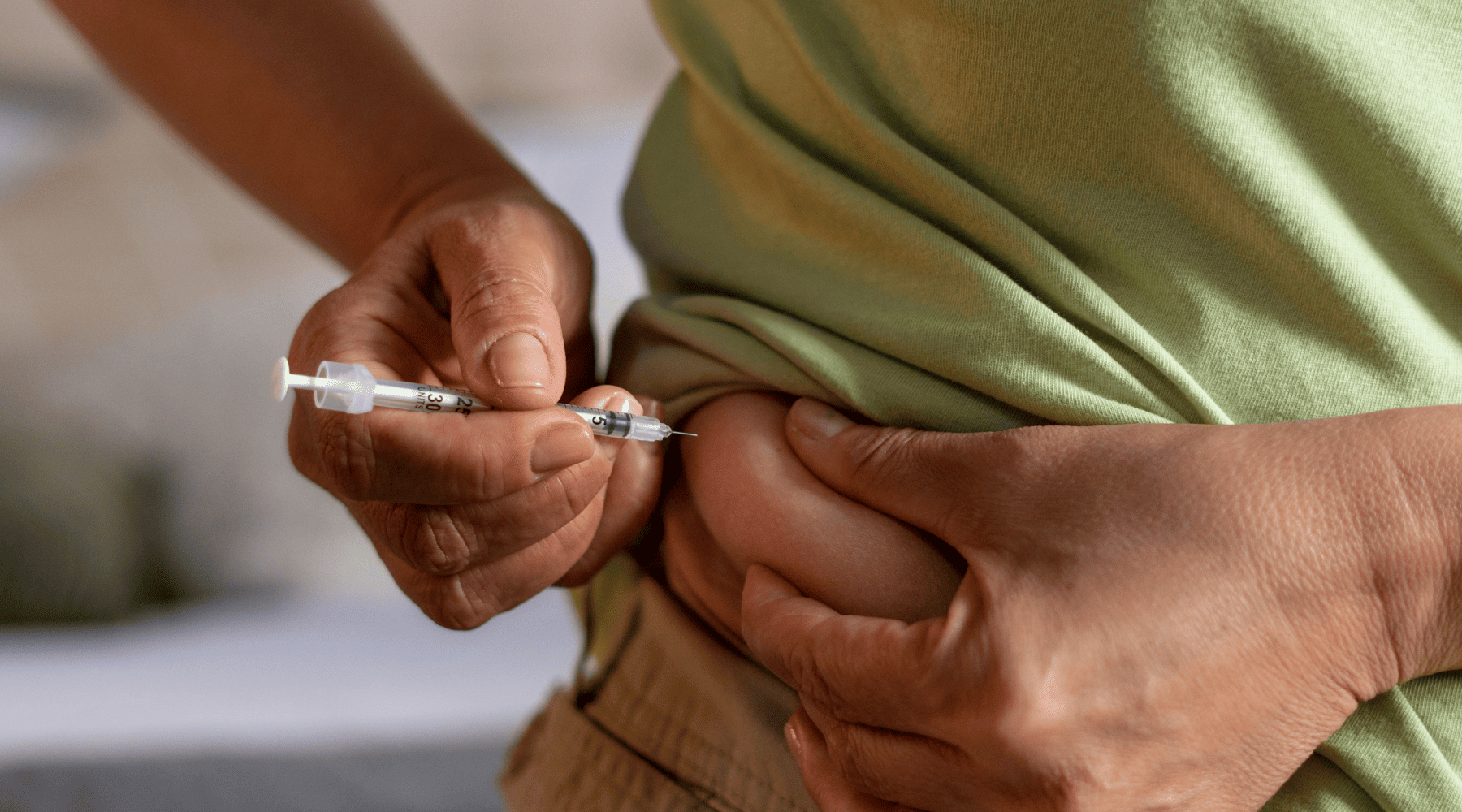
I remember the first injection vividly. Sitting at my kitchen counter, pen in hand, Googling “how hard do you press” for the fourth time. The nurse had told me: the needle is so small you won’t feel it. She was right about the needle. She was wrong about everything else that would turn out to matter.
If I could go back and give my day-one self a letter, this is what would be in it. Not the medical pamphlet stuff - the real things, the kind you learn by living through them. Five of them, in order of how much I wish I’d known.
1. Start the protein before you start the medication
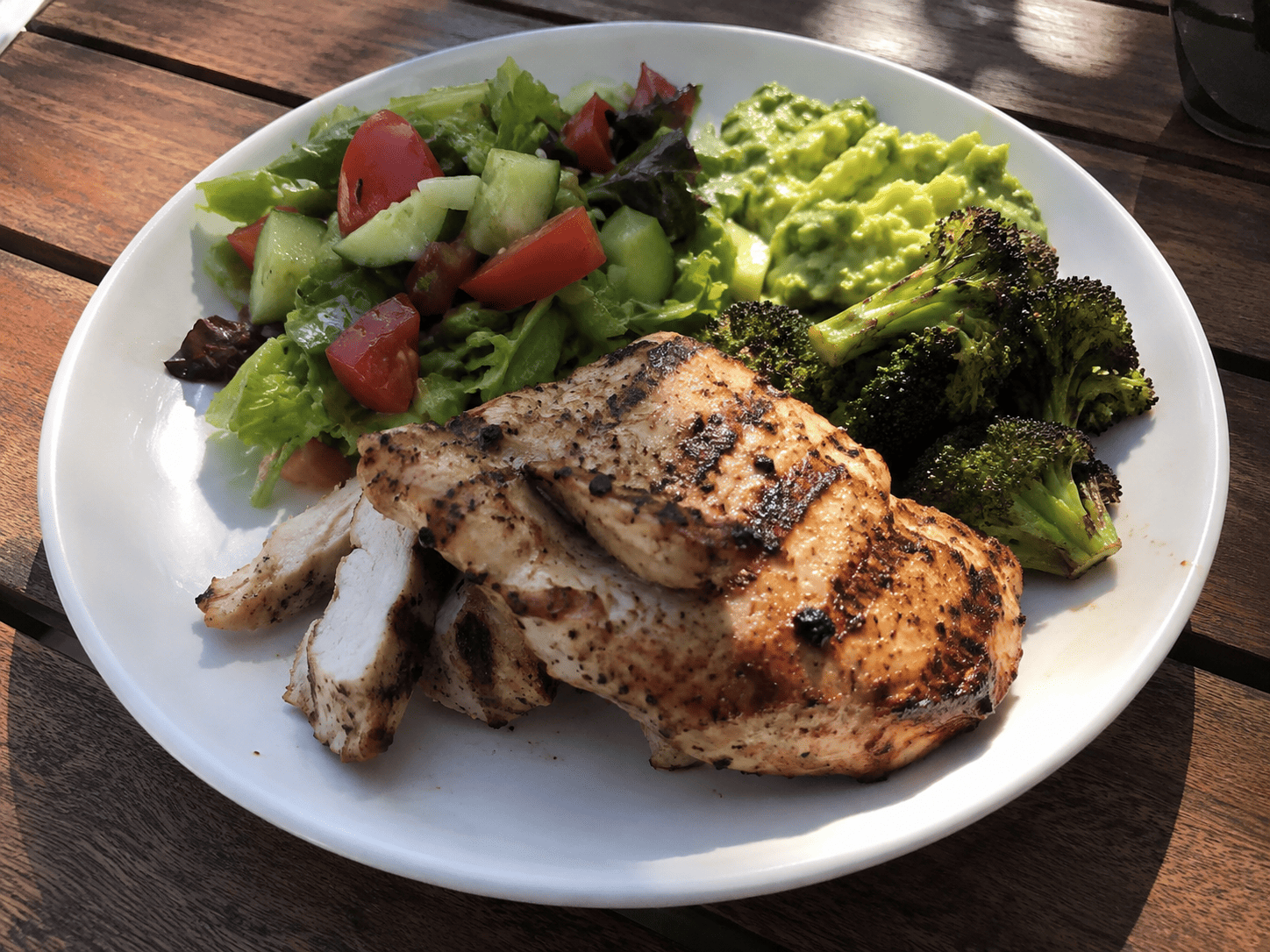
Everyone focuses on what to eat less of once you’re on a GLP-1. Nobody tells you, loud enough, about what to eat more of. Specifically protein - because 25 to 40% of the weight you lose on these medications comes from lean mass unless you work to prevent it. That’s muscle you lose. Metabolism you lose. Strength, hair, skin elasticity, bone density, the feeling of carrying your own groceries. All of it.
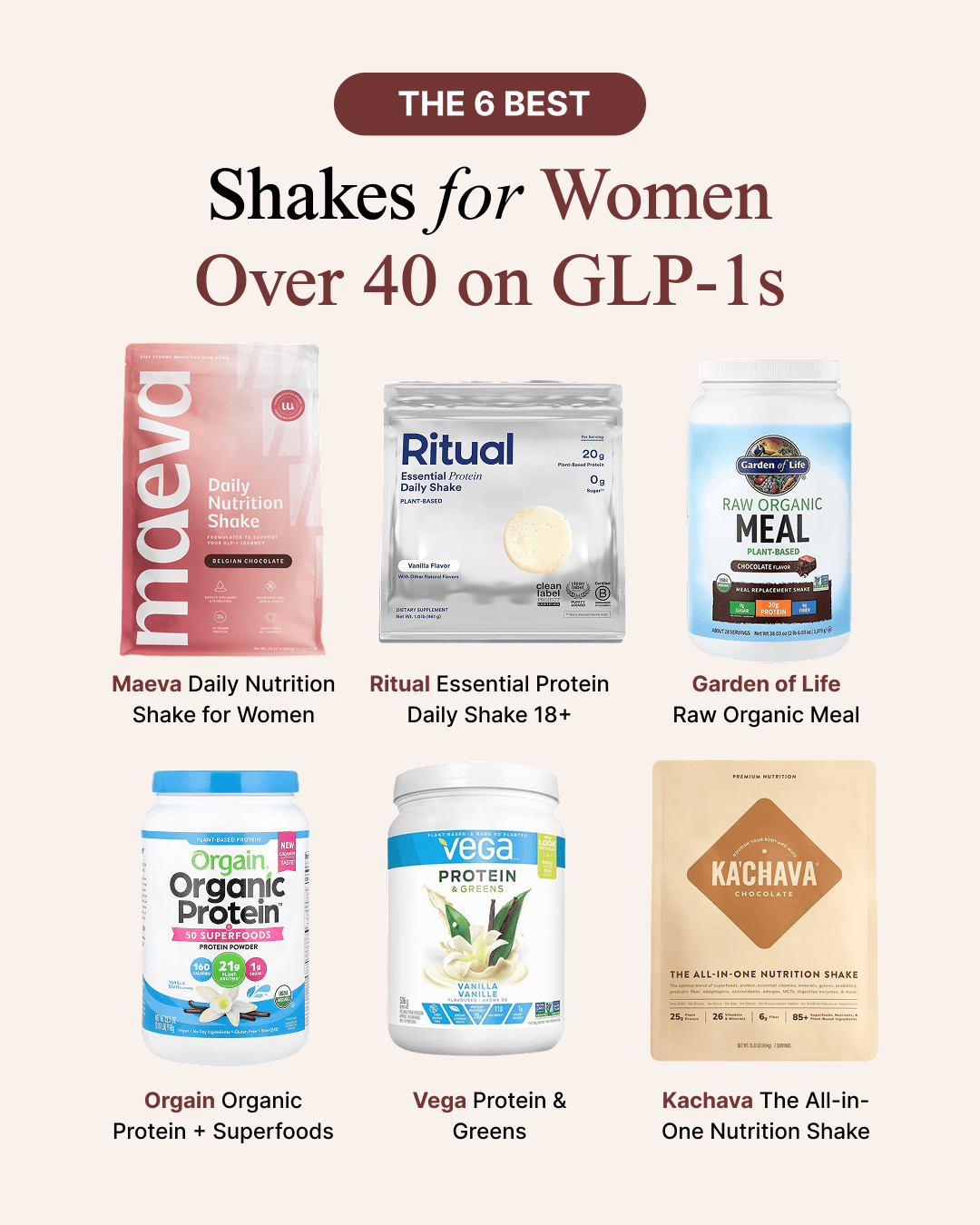
The target while losing weight on a GLP-1 is 1.2–1.6 grams of protein per kilogram of goal body weight. For most women, that’s 80 to 120 grams a day. I was barely hitting 45 in the first few months because I wasn’t hungry, and when I wasn’t hungry, I forgot. A high-protein nutrition shake specifically designed for GLP-1 users would have saved me a year of rebuilding what I lost. Buy one before you pick up the pen.
2. The food noise going quiet is a bigger deal than the weight loss
I didn’t know what “food noise” was until it was gone. Three weeks in, I realized - sitting at my desk, working - that I hadn’t been mentally negotiating with myself about lunch. Or dinner. Or tomorrow’s breakfast. The radio station of internal food commentary that had been playing on low since I was a teenager had simply turned off.
The quiet is disorienting. It is also, for many women, the single most transformative part of the whole experience. Some clinicians now describe the absence of food noise as more meaningful to patients than the number on the scale. Go into this expecting it. Notice what comes up in the silence. Some of what surfaces will be grief. Some will be clarity. All of it is real and worth paying attention to.
3. Go slower than your doctor’s default titration schedule
The standard protocol is to move up a dose every four weeks. This is fine for the trials. It was not fine for me, and it isn’t fine for many women I’ve talked to. Faster titration means faster weight loss, which means more muscle loss, more hair shedding, more facial volume changes, and worse side effects - nausea, fatigue, constipation that genuinely ruins your life for a week at a time.
The research is increasingly clear that slower weight loss (1–2 pounds a week) preserves more muscle, more skin elasticity, and more hormonal equilibrium than aggressive loss. Ask your prescriber about staying at each dose longer, or stopping at a lower-than-maximum dose if it’s working. “The slowest dose that still works” is a legitimate strategy, not a concession.
4. Build the habits now, while the appetite is quiet
This one took me a year to understand. A GLP-1 doesn’t build habits for you. What it does is hand you a window (six, twelve, eighteen months) during which the constant hunger, the constant negotiating, the constant cravings that used to make change feel impossible simply aren’t there. The medication is not the change. The medication is the opportunity to make the change.
Use the window. Lift heavy three times a week, starting week one. Schedule meals like medication, even when you don’t want them. Sleep eight hours. Practice eating in the absence of hunger so you know how to do it when the hunger returns. Because it will return. Real-world data shows about 17.7% of women regain all their weight after stopping a GLP-1, but over half maintain or continue losing. What determines which group you’re in is almost entirely what you built during the window.

5. This is a long conversation, not a short fix
I took my first Wegovy injection thinking of it as a tool for a specific project: lose X pounds by Y date, then resume normal life. The way obesity research has evolved in just the last few years has completely reframed that. Obesity is now understood as a chronic metabolic condition, more like hypertension than like a broken arm. You wouldn’t stop your blood pressure medication the moment your pressure normalized and expect it to stay that way forever. The medication was what made it normal.
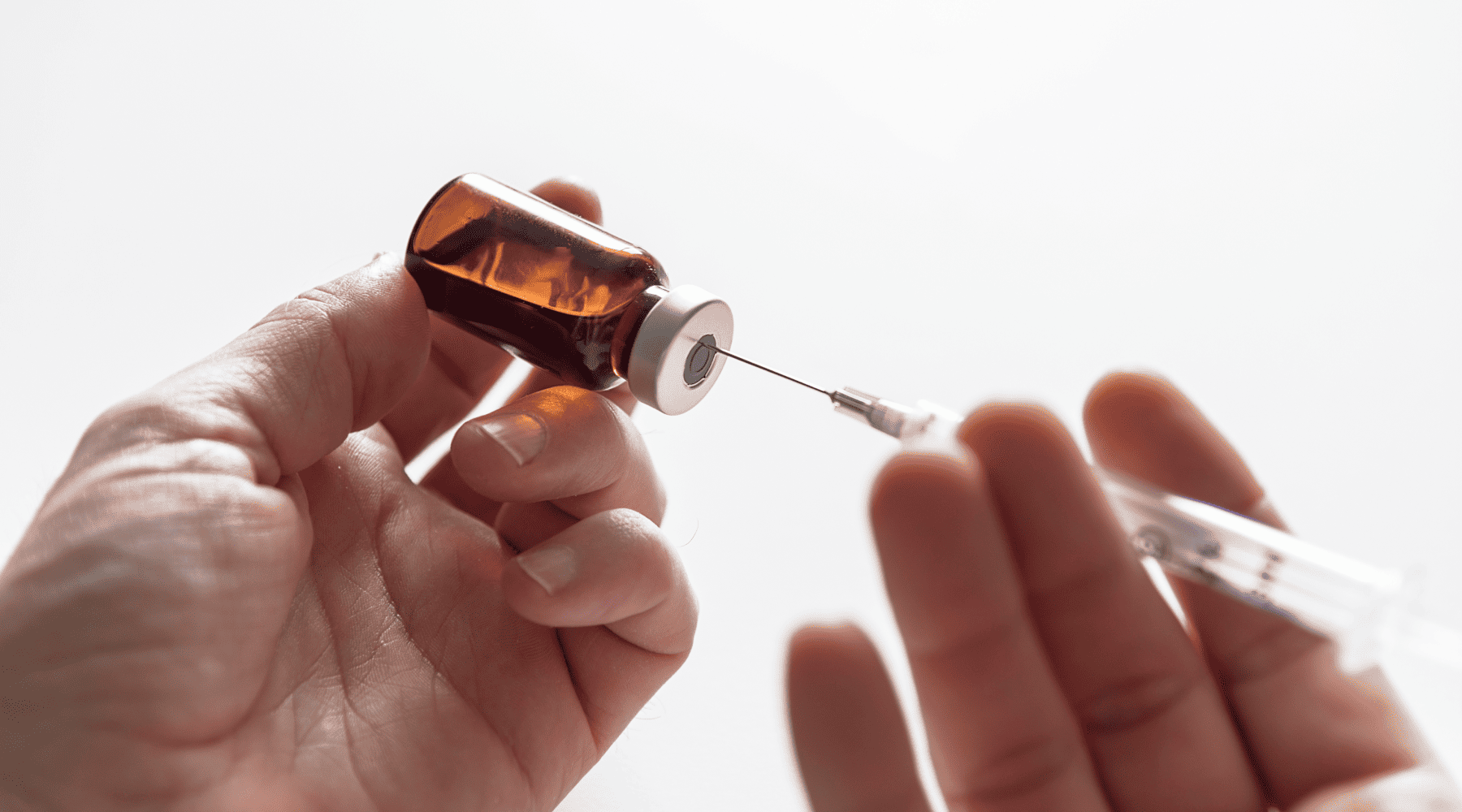
Many of us will be in some kind of long-term relationship with these medications - perhaps at a maintenance dose, perhaps cycling on and off, perhaps continuously. That is not a personal failure. That is the biology. Going in with that expectation changes how you approach everything: you build the muscle, the protein intake, the strength training, the sleep - not as a one-time sprint, but as the scaffolding for the rest of your life.
The letter I’d close with
If I could end a letter to my day-one self, it would be this:
You are not broken, and this is not a cheat. You are using a legitimate medical tool to treat a real condition, and the tool will only work as well as the habits, protein, sleep, and exercise you build around it. The medication will buy you a window of profound change. What you do inside that window decides the rest.
The needle really is that small. Everything else is bigger than they told you. Don’t be afraid of it. Be prepared for it.
This article is for informational and educational purposes only and is not medical advice. Please consult your healthcare provider about any questions specific to your situation before starting, adjusting, or stopping any medication.
Sources
American Diabetes Association, “New GLP-1 Therapies Enhance Quality of Weight Loss by Improving Muscle Preservation” — lean mass loss of 15–40% of total weight loss. https://diabetes.org/newsroom/press-releases/new-glp-1-therapies-enhance-quality-weight-loss-improving-muscle-0
Endocrine Society / Haines et al., “Consuming more protein may protect patients taking anti-obesity drug from muscle loss,” 2025. https://www.endocrine.org/news-and-advocacy/news-room/endo-annual-meeting/endo-2025-press-releases/haines-press-release
Northwell Health / The Well, “This Is Your Brain on Ozempic: How GLP-1s Quiet Food Noise.” https://thewell.northwell.edu/obesity/ozempic-glp1-food-noise
Cleveland Clinic, “‘Ozempic Face’: What It Is and How to Avoid It” — recommendation of 1–2 pounds of weight loss per week. https://health.clevelandclinic.org/ozempic-face
Epic Research / Cosmos, “Many Patients Maintain Weight Loss a Year After Stopping Semaglutide and Liraglutide” (2024). https://www.epicresearch.org/articles/many-patients-maintain-weight-loss-a-year-after-stopping-semaglutide-and-liraglutide
Wilding J.P.H. et al., “Weight regain and cardiometabolic effects after withdrawal of semaglutide: The STEP 1 trial extension,” Diabetes, Obesity and Metabolism, 2022 — obesity as a chronic condition. https://dom-pubs.onlinelibrary.wiley.com/doi/10.1111/dom.14725